Experience the Midnight Sun
Every summer in Norway’s Arctic, a phenomenon occurs where the sun never sets below the horizon, even at midnight. Learn more about the Arctic summer daylight that can last up to four months.
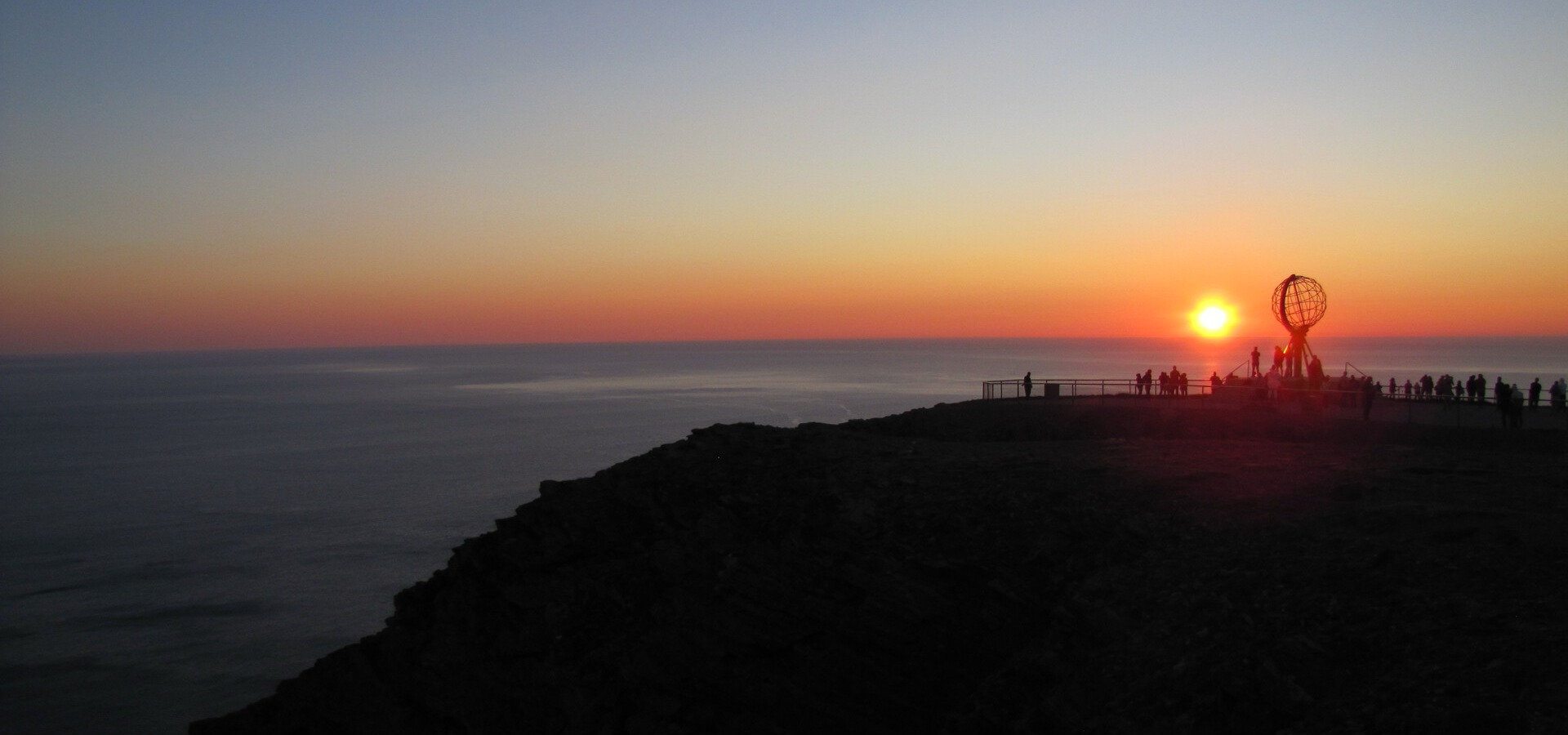
Experience the Midnight Sun
Every summer in Norway’s Arctic, a phenomenon occurs where the sun never sets below the horizon, even at midnight. Learn more about the Arctic summer daylight that can last up to four months.


I'm excited to recommend booking a Hurtigruten cruise to witness the Midnight Sun, a breathtaking phenomenon that bathes Norway's skies in endless daylight! Here's an introduction from the cruise line that pioneered coastal voyages in Norway in 1893.
Discover the Midnight Sun on an immersive, expert-led adventure through Norway’s Arctic landscapes. This experience combines awe-inspiring natural views, rich culture, and sustainability-focused exploration. Soak in the beauty of the sunlit Arctic, connect with Norway's history, local traditions, and scenic wonders, and create memories that will shine long after.
What is the Midnight Sun?
Norway is well-known for its long summer days, but above the Arctic Circle, the days aren’t just long – they’re unending. As night falls over the south of the country, in northern Norway the sun lingers, and it can be seen crossing the sky throughout the night.
This natural phenomenon has many names – “Polar Day”, “White Night”, “Nightless Night” – but the most common is the “Midnight Sun”.
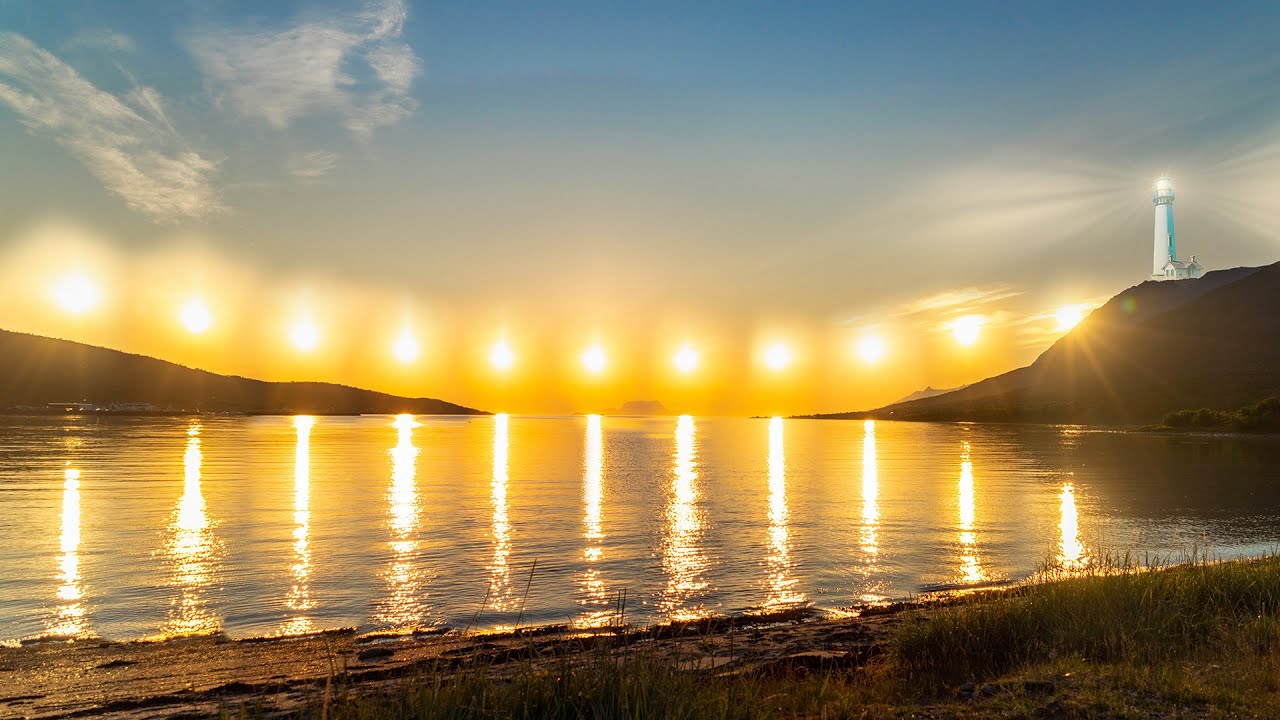
Why does the Midnight Sun occur?
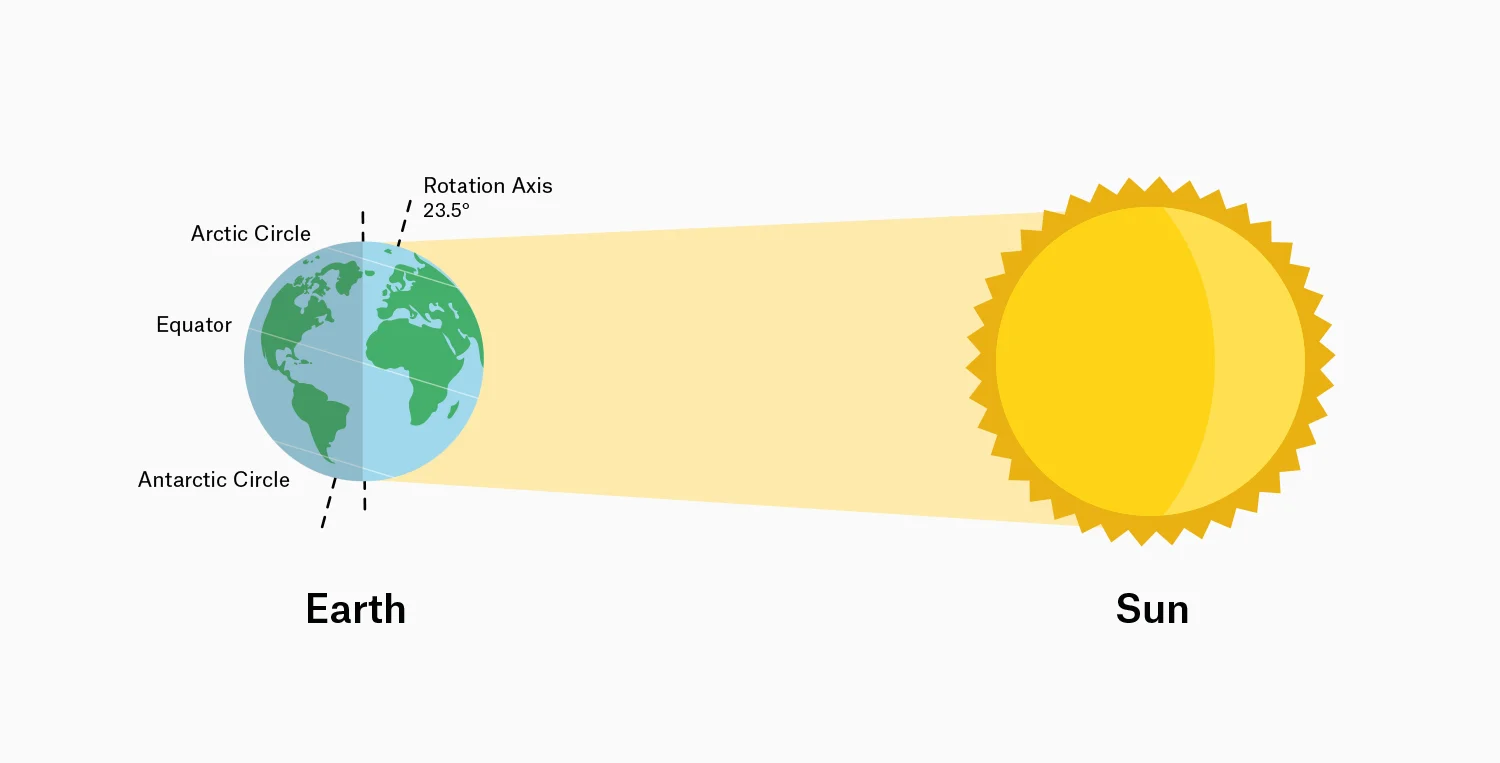
As the Earth travels around the sun, we experience different seasons. Because the Earth also rotates on its own axis, we experience day and night. However, the Earth is tilted on its axis by 23.4 degrees, meaning that one hemisphere is always closer to the sun than the other. This is why we have opposite seasons in the northern and southern hemispheres.
During summer in the northern hemisphere, the North Pole is tilted towards the sun. As the Earth turns, the Polar Region stays facing the sun, and the North Pole itself doesn’t experience darkness for six whole months. Arctic areas just south of the pole also experience the Midnight Sun, but for shorter lengths of time. The effect is diluted further south, and instead of the golden nights of the Arctic summer, places south of the Arctic Circle simply see longer days. Areas close to the Equator experience very little change in daylight hours between the seasons.
Once summer is over, the sun sets over the Polar Region for the first time in months. This sunset will send the North Pole into six months of darkness, while other parts of the Arctic will experience both day and night for some months, before entering Polar Night during the winter.
Where can you see the Midnight Sun?
During summer, the Midnight Sun can be seen anywhere north of the Arctic Circle, an abstract geographic line that spans Sweden, Finland, Russia, Alaska, Canada, Greenland, and, of course, the Land of the Midnight Sun itself, Norway.
This celestial event extends longer the farther north you go. In Norway’s Svalbard archipelago—a crown of islands in the High Arctic—the sun remains visible 24 hours a day from late April to late August, giving locals over four months of constant sunlight. While the northern hemisphere’s summer solstice occurs on June 21, the endless days continue above the Arctic Circle throughout the summer months. Most regions in Norway that experience the Midnight Sun do so from mid-May to mid-July.
Three ways to see it for yourself:
Experience the Midnight Sun with Hurtigruten on three unforgettable cruises. Travel with a small group for a land and sea adventure from Sweden to Finland to Norway on the Follow the Midnight Sun route, explore Norway’s coast on the Coastal Express from Bergen to Kirkenes and back, or venture to the high Arctic with the Svalbard Line, sailing to the world's northernmost archipelago. Each route offers a unique chance to witness Norway's endless summer days.
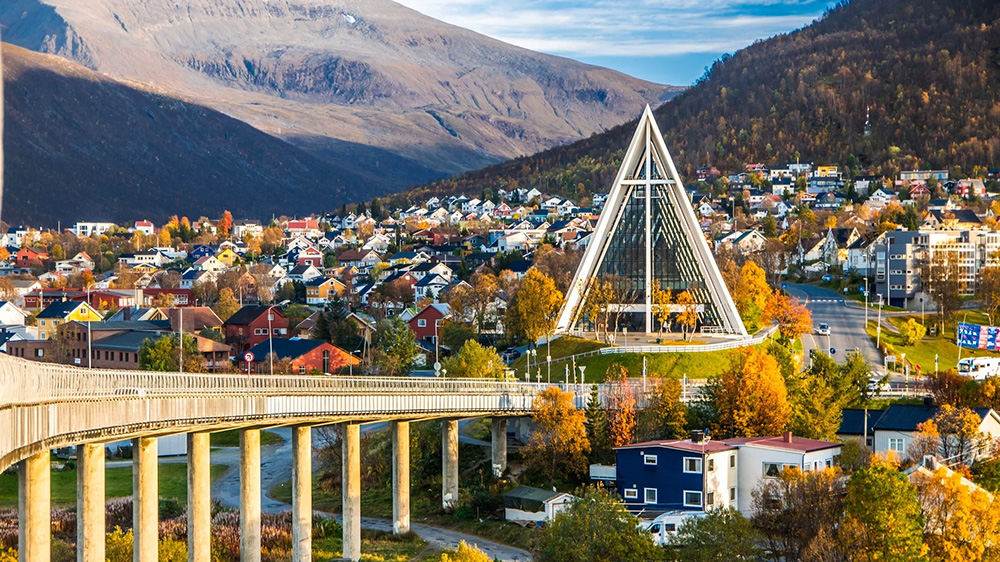
Follow the Midnight Sun – Norway, Sweden, & Finland
On The Coastal Express - South
Discover Norway’s stunning coast under the glow of the Midnight Sun on Hurtigruten’s "Follow the Midnight Sun" journey. This unique tour takes you on an adventure from from Stockholm, Sweden through Finland before embarking on a cruise sailing the stunning Norwegian coast; all the with endless daylight illuminating breathtaking fjords, charming coastal towns, and dramatic landscapes. Embrace Norway’s summer magic as you explore iconic destinations like Tromsø, the Lofoten Islands, and the North Cape.
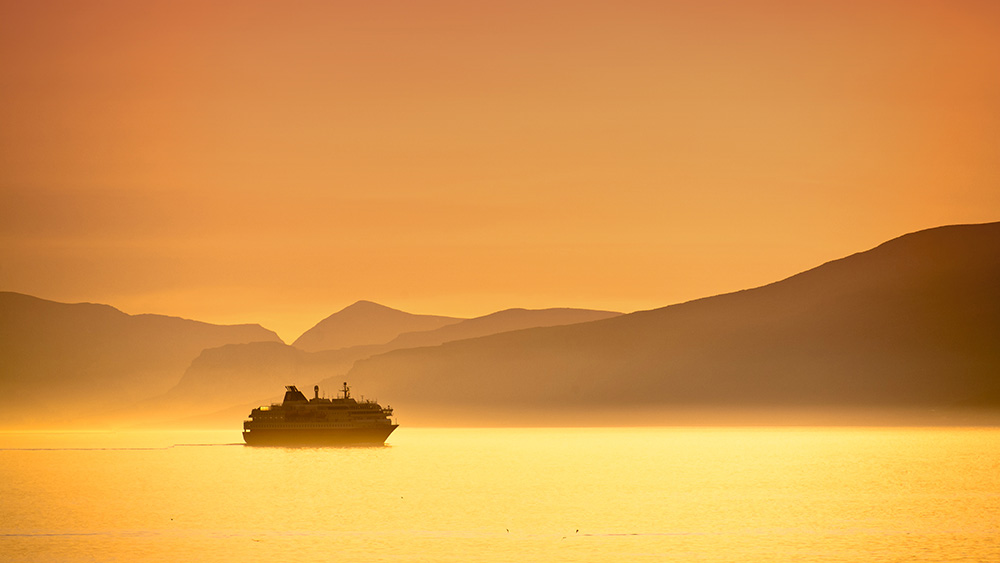
The Coastal Express
Bergen – Kirkenes – Bergen
Our 12-day Norwegian coastal cruise travels northbound and then southbound, taking in Norway’s many fjords and mountains along the way. Your ship will call at 34 ports of all sizes and cross the Arctic Circle twice over 2,500 nautical miles. It is the definitive scenic route to see the Norwegian coast.
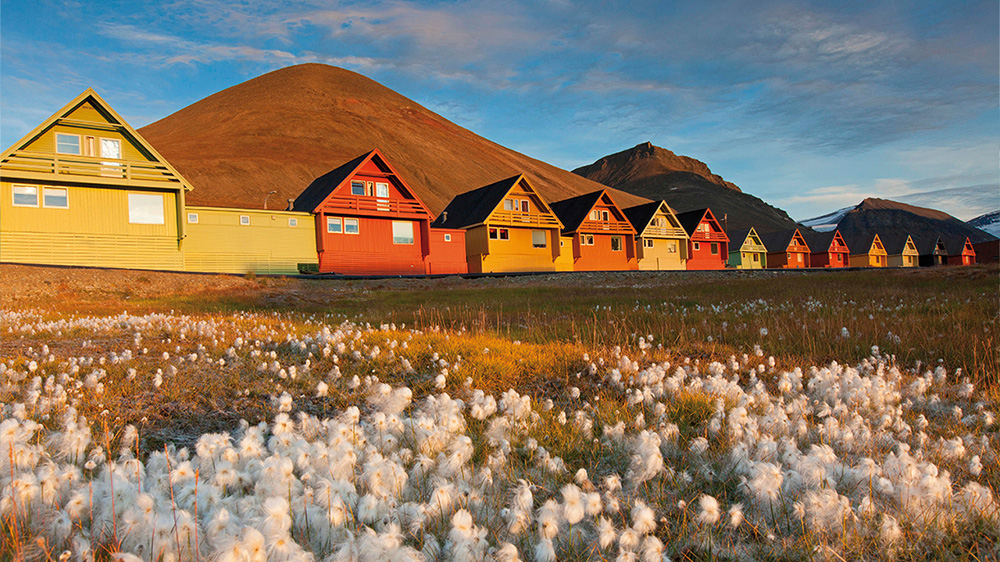
The Svalbard Line
Bergen - Svalbard - Bergen
Sail aboard the beautifully refurbished MS Trollfjord to Spitsbergen, the largest island in the Svalbard archipelago. Journey under the Midnight Sun on this unique itinerary, featuring exclusive excursions at 16 carefully selected destinations along the Norwegian coast. Enjoy exceptional all-inclusive food and drinks, personalized service, and enhanced onboard activities for an unforgettable Arctic adventure.
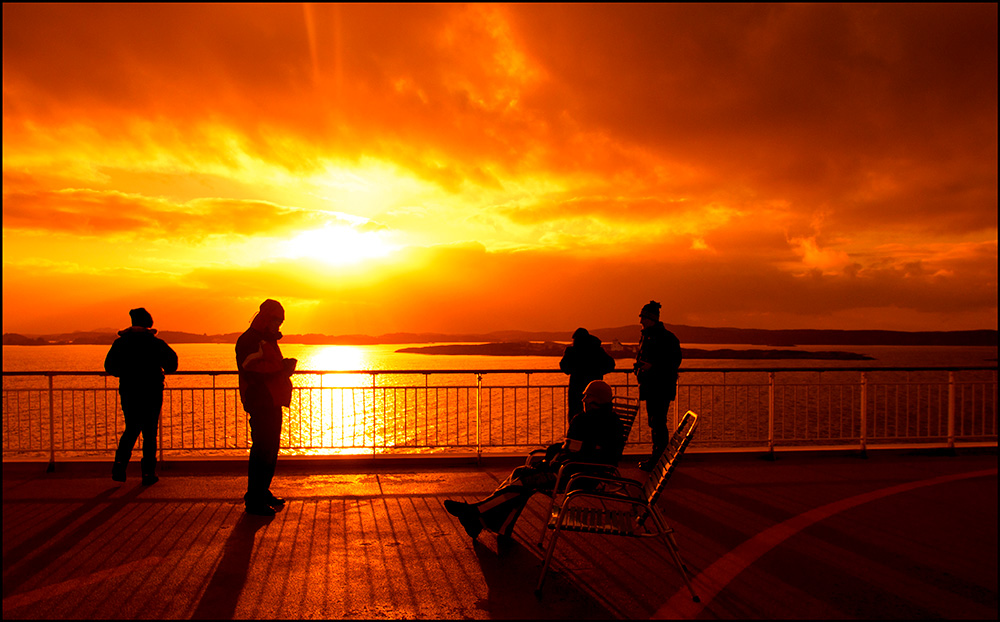
Experience the Midnight Sun
Book your Hurtigruten adventure today and witness the magic of endless daylight!
We use cookies to improve your experience. Learn More