
Experience the Northern Lights

Magic and science. Hypnotic and exhilarating. A photographer’s dream. The Northern Lights in Norway are all these and more. Explore the many wonders of nature’s greatest lightshow.

Travel Adventures

I'm excited to recommend booking a Hurtigruten cruise now to witness the Northern Lights in Norway. Scientists predict the Solar Maximum in 2024-25 will result in the most frequent and impressive Northern Lights displays in more than a decade. Here's an introduction from the cruise line that pioneered coastal voyages in Norway.

Discover the Northern Lights with an in-depth, expert-led journey that immerses you in Norway’s Arctic landscapes. This experience combines stunning natural views, rich culture, and sustainability-focused exploration. Witness the aurora borealis and connect with Norway's history, local traditions, and scenic beauty, creating moments you’ll remember long after.

What causes the Northern Lights?

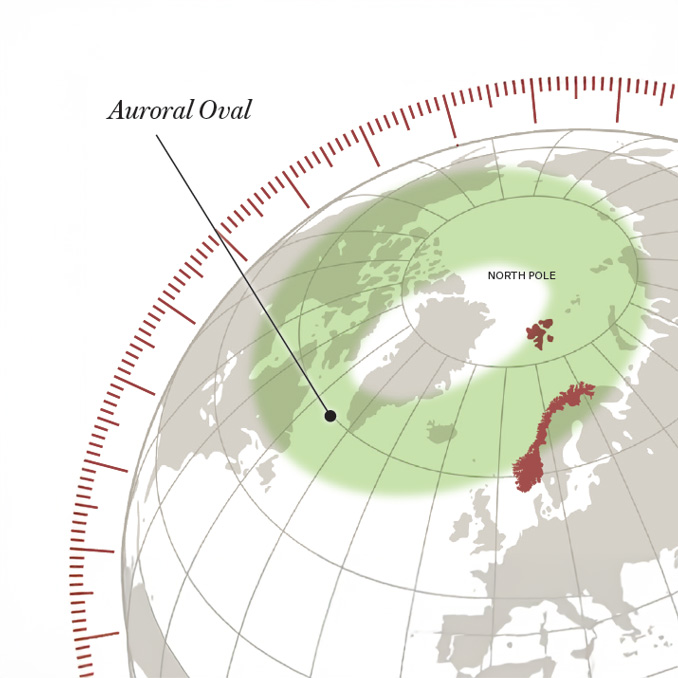
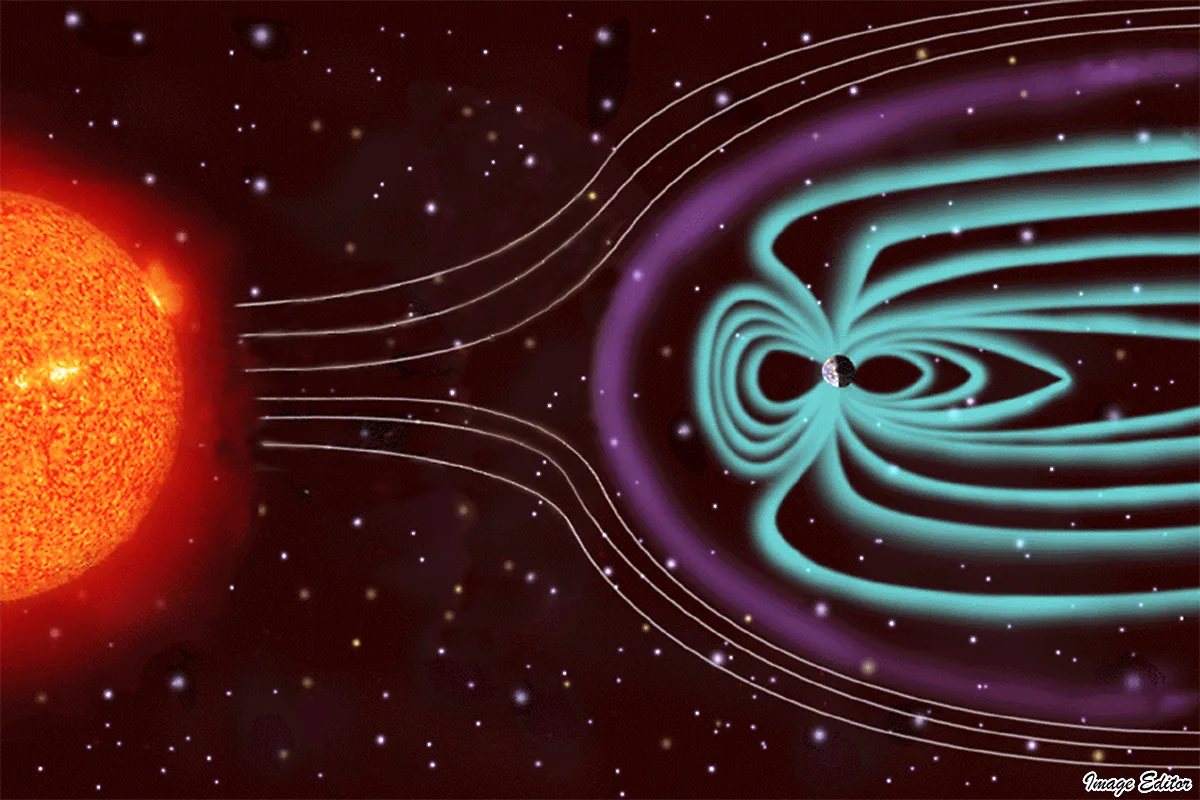
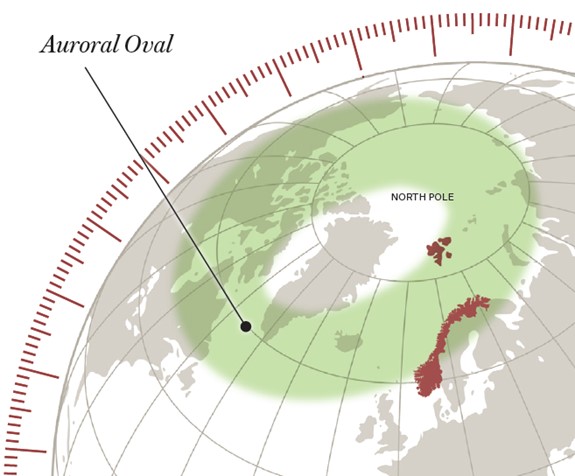
The Northern Lights, or aurora borealis, are created by electrically charged particles released by the Sun, which travel 150 million kilometers (92 million miles) across space to Earth. These particles, carried by the solar wind—a stream of charged gas—collide with the Earth's magnetic field upon arrival. This magnetic field funnels the particles toward the poles, forming the Auroral Ovals. When the particles collide with oxygen and nitrogen in the Earth’s upper atmosphere, they produce the captivating light we see as the aurora.

Where can I see the Northern Lights?

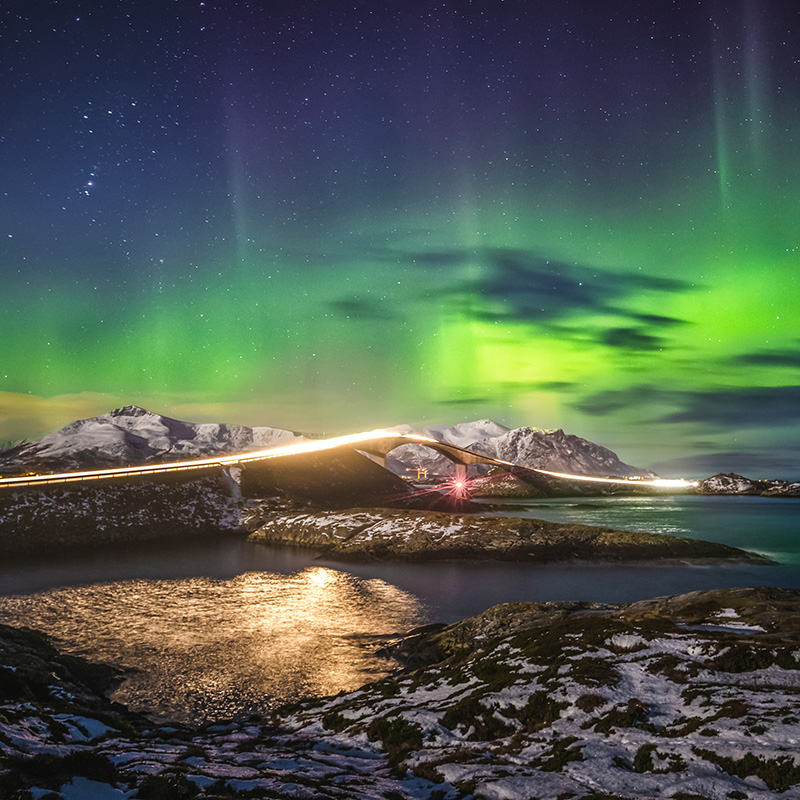
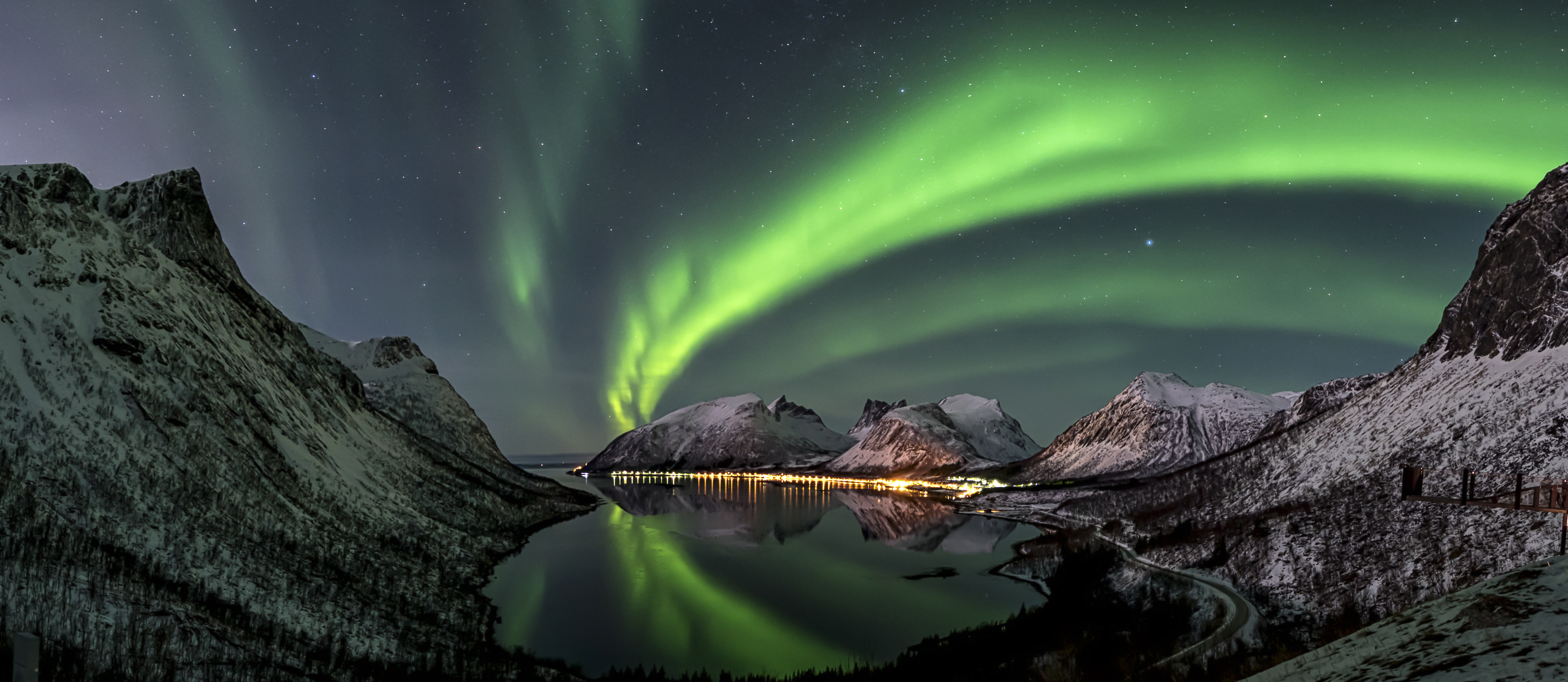
Norway is a prime destination for experiencing the Northern Lights, thanks to its location within the Arctic Circle. The country enjoys frequent displays of the aurora borealis, especially from late September to early April. Norway’s stunning landscapes—rugged coastlines, towering fjords, and vast open skies—provide a breathtaking backdrop for these natural light shows.

The best time to see Northern Lights

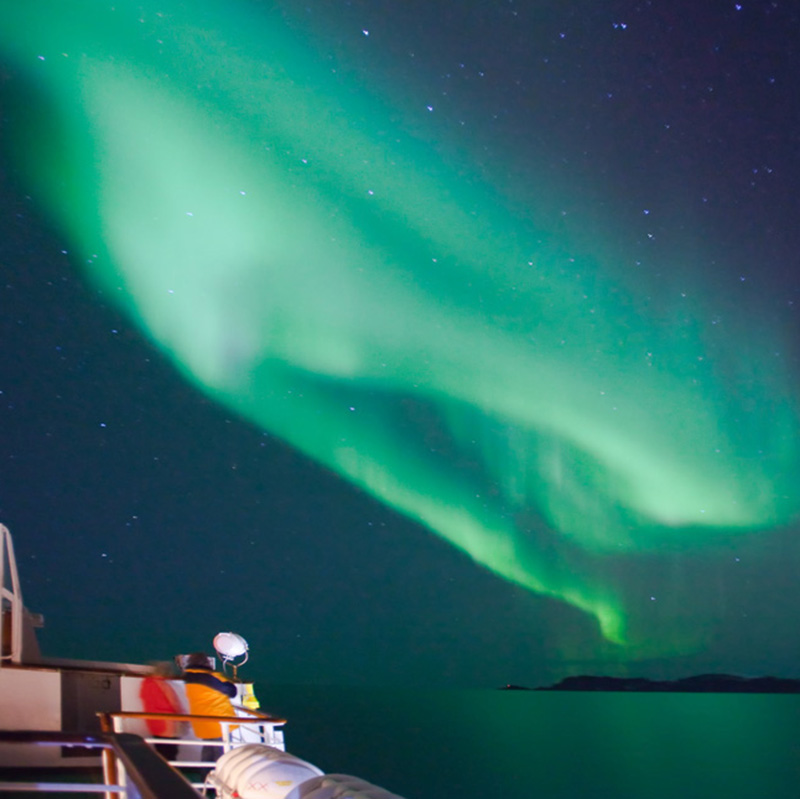
The aurora shimmers across Arctic skies year-round, but Norway’s prime viewing season is from September to March when the nights are dark enough. During this period, the best viewing hours are between 5 p.m. and 2 a.m. Aurora displays can be brief, lasting a few minutes, or stretch out for 15 to 30 minutes, and on lucky nights, even a couple of hours.

There’s a higher chance of vibrant displays near the equinoxes in late September and March. This phenomenon, partly due to the Russell-McPherron effect, involves an alignment of Earth’s and the solar wind’s magnetic fields, creating favorable conditions for geomagnetic storms.

The best way to see the Northern Lights

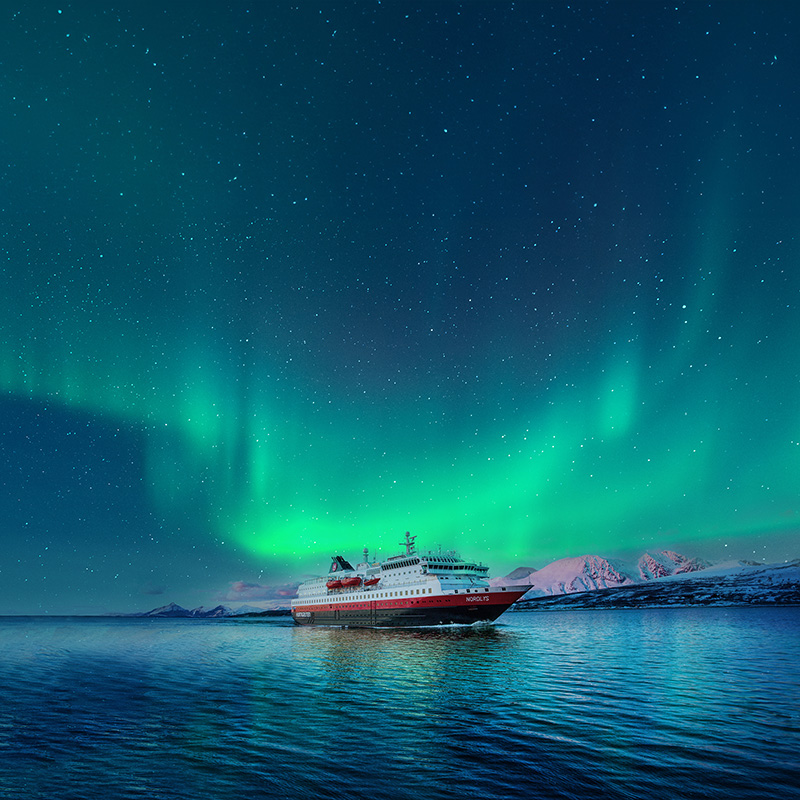
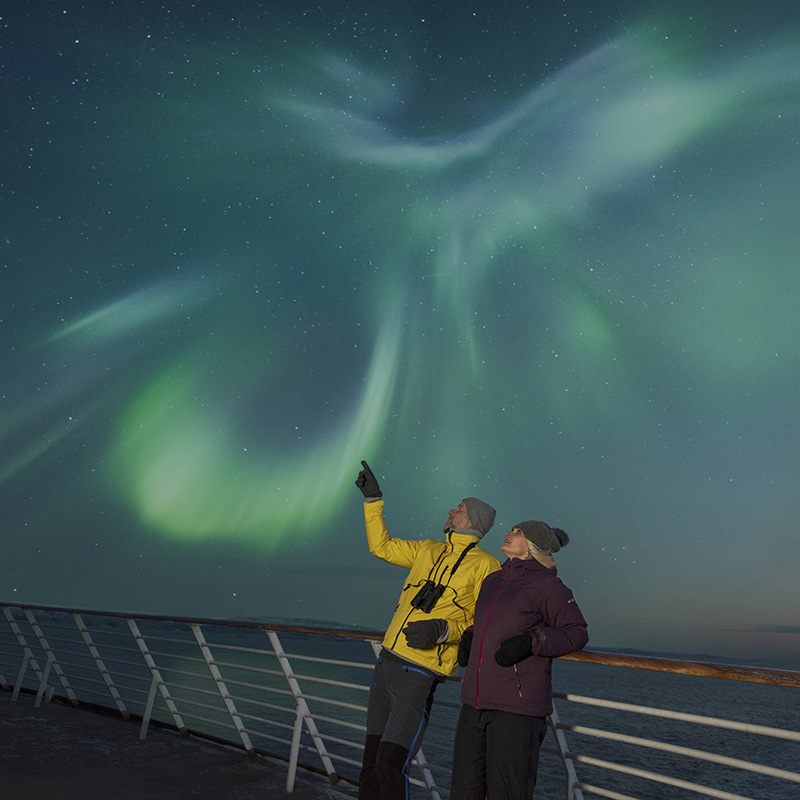
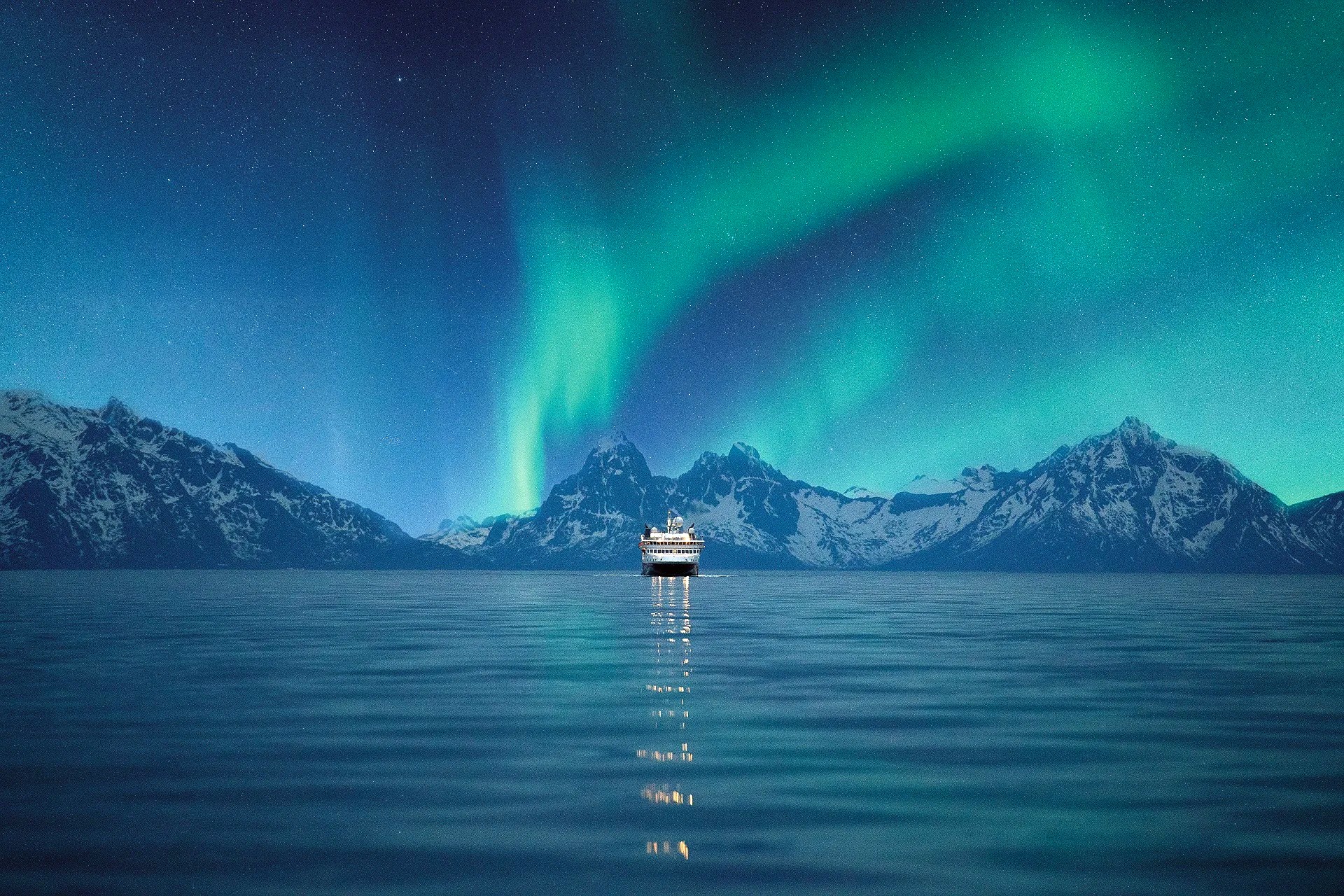
A Hurtigruten cruise along Norway’s coast is one of the best ways to see a life-defining display of the aurora borealis. Here are six reasons why.

We use cookies to improve your experience. Learn More