Rwanda
Beautifully filmed, this video offers powerful images of the country.

Stories of conservation and growth
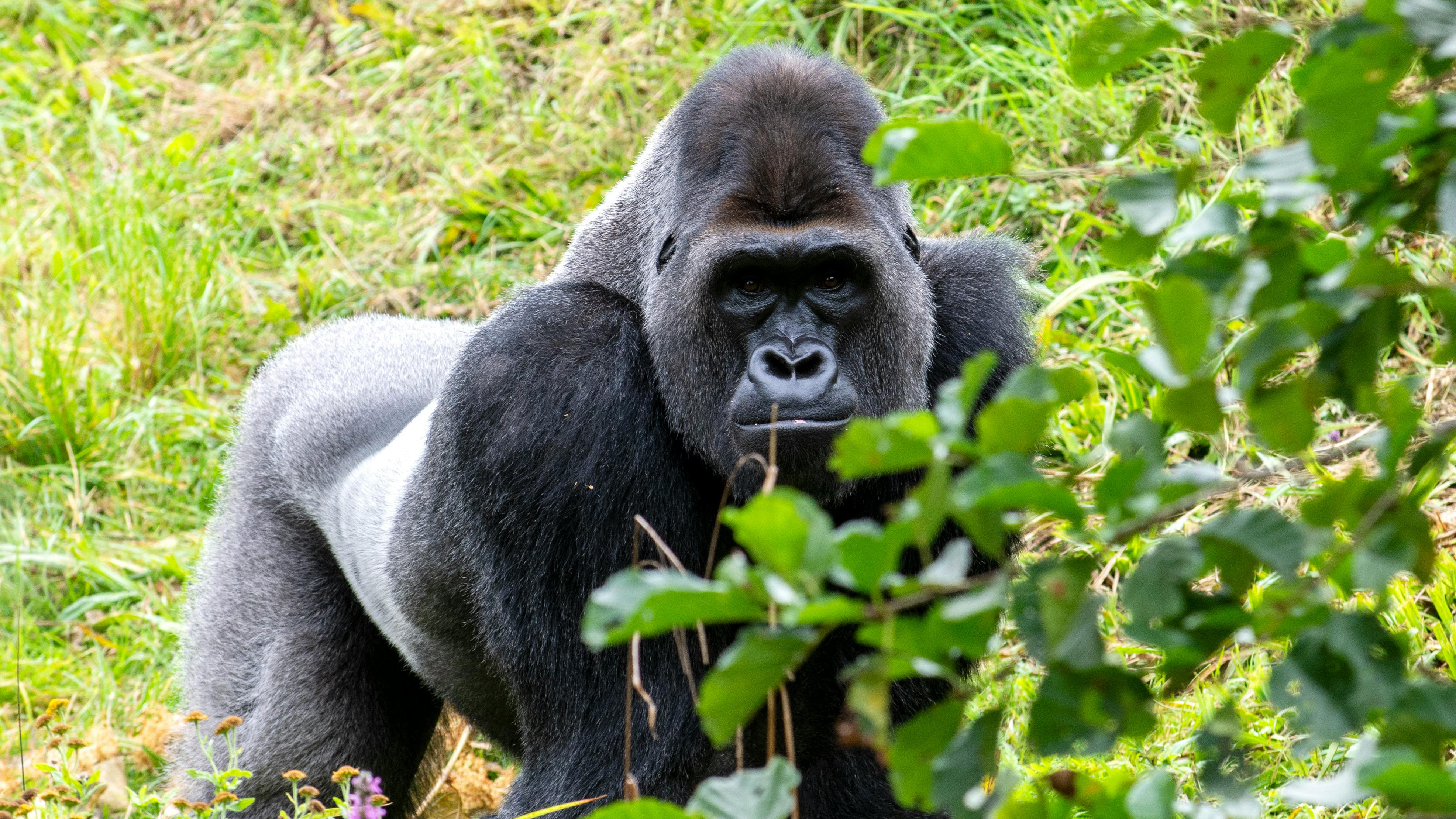


Rwanda’s successes lie in the country’s ability to rebuild. Mountain gorillas — perhaps the best-known inhabitants of the country’s jungles — went from endangered to thriving and protected through community-led efforts. Other incredible species are also worth looking for on any jungle trek.
Any discussion of Rwanda would be incomplete without highlighting how residents have transformed the suffering of the 1994 genocide into hope and new life.
Explore Rwanda's stories for yourself!
Beautifully filmed, this video offers powerful images of the country.
Rangers in this Rwandan park discuss why they're dedicated to protecting the land. And find out how the move towards a green economy is bringing new opportunities to the local population.
David Attenborough speaks of his experience with the mountain gorillas in their last enclave—the Virunga Mountains straddling Uganda, Democratic Republic of the Congo and Rwanda—and the success of conservation efforts.
Grey-crowned cranes are native to the forests of Uganda and Rwanda. National Geographic Explorer Olivier Nsengimana discusses the challenges of breeding the endangered birds and returning them to their natural habitat.
Only discovered in 2005, the BBC was the first to film the Kipunji Monkey, which lives in the mountains of southern Tanzania and Rwanda.
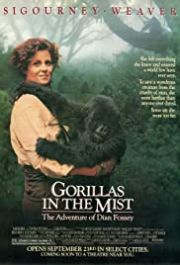
The moving story of primatologist Dian Fossey (Sigourney Weaver), a scientist who came to Africa at the behest of Louis Leakey to study Rwanda's vanishing mountain gorillas, and later initiated an ill-fated effort to protect them.
For one hundred days in 1994, the African country of Rwanda suffered a horrific campaign of mass murder. Neighbor turned against neighbor as violence engulfed the region, resulting in the deaths of over one-tenth of the country’s population. This TED-Ed animation explores the origin of the Rwandan genocide.
As the head guide at the Kigali Genocide Memorial, Serge Rwigamba leads guests through his country’s deeply painful past. The task is also very personal: He lost his father and countless other family members in the 1994 genocide. The role, he says, is therapeutic, a way of understanding his trauma.
After suffering through a genocide, the women of Rwanda banned together and fueled their cultural passion for traditional basket weaving. Learn how the baskets are made, their history in Rwandan culture and how the new industry—assisted by the American retailer Macy’s—has transformed the lives of local communities.
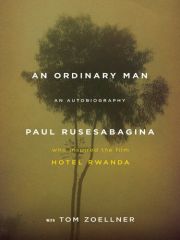
The remarkable autobiography of Paul Rusesabagina, the globally recognized human rights champion whose heroism inspired the film Hotel Rwanda, turning the luxurious Hotel Milles Collines into a refuge for more than 1,200 Tutsi and moderate Hutu refugees. Also available as an audiobook. By Paul Rusesabagina.
We use cookies to improve your experience. Learn More