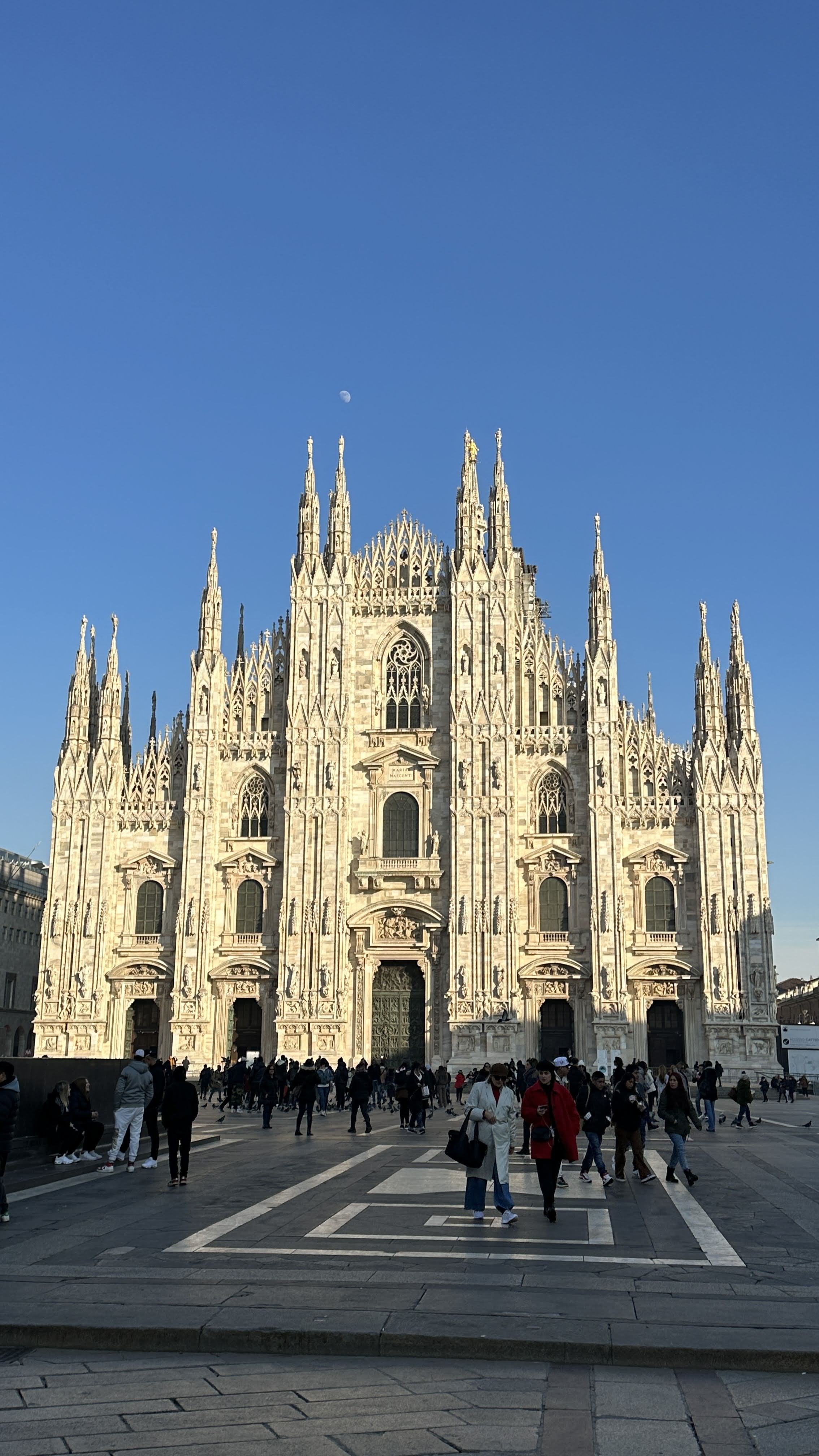
Duomo di Milano
Construction on the city's lavish cathedral began in 1386 and wasn't completed until 1965 thanks to a mix of changing architects, war, politics and changing architectural styles.

We've crafted this content experience to boost your marketing and drive conversion. It's easy to get started—simply enter your email!
By entering your email address, you agree to the terms of service and privacy policy
Where competition meets culture
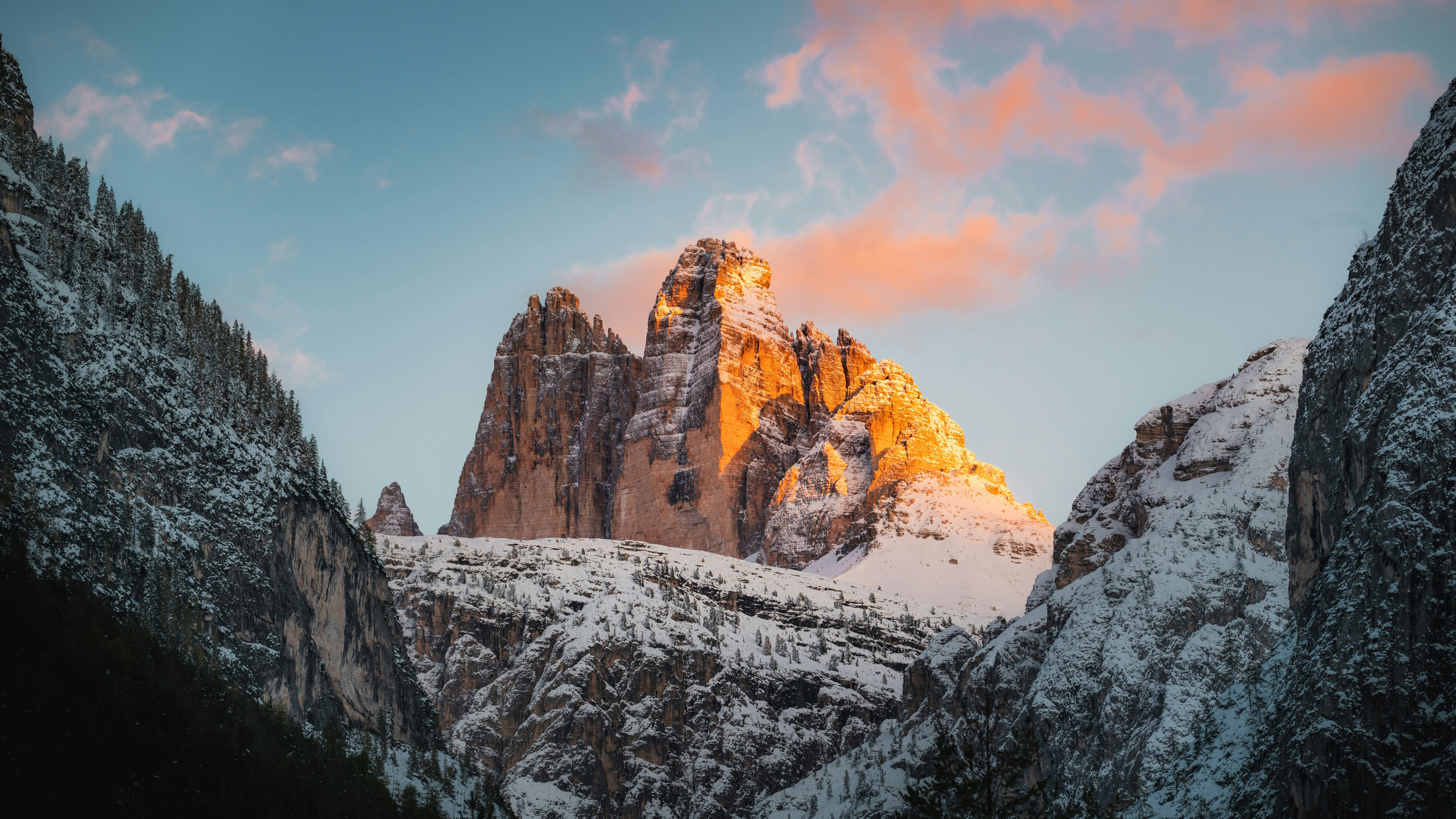
Where competition meets culture

The 2026 Winter Olympics will unfold across multiple destinations in spectacular northern Italy, each offering its own mix of alpine beauty and cultural treasures.
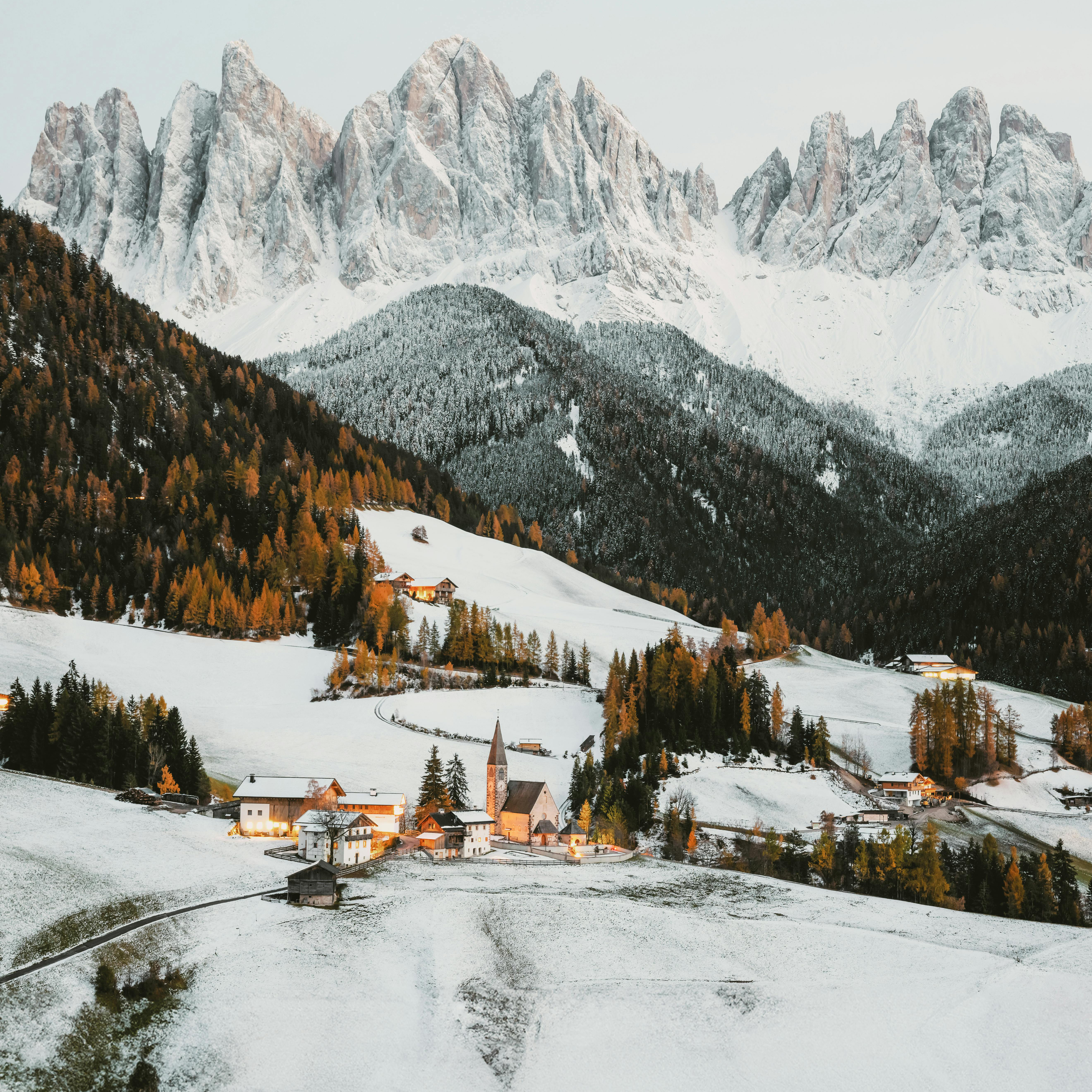
Whether you’re traveling to witness the excitement of the Games or simply exploring what makes this region special, you’ll find plenty beyond the competition. The rugged Dolomites have shaped local traditions for centuries, while northern Italy’s cities brim with world-class art, architecture and cuisine.
Explore the Olympic venues, then discover the historic sites, natural wonders and unforgettable flavors that make northern Italy worth a journey any time of year.
Olympics - 6-22 February, 2026
Paralympics - 6-15 March, 2026
The San Siro stadium (famous as a soccer venue) will host the Games' opening ceremony.
Locations around Milan will host speed skating, figure skating, ice dancing and ice hockey.
Paralympic ice hockey will also take place in Milan.
Construction on the city's lavish cathedral began in 1386 and wasn't completed until 1965 thanks to a mix of changing architects, war, politics and changing architectural styles.
Italy’s illustrious, family-run tailoring house Sartoria A Caraceni, in Milan, is known for making some of the world’s most beautiful jackets and trousers. Visit the tailoring house for a masterclass in their cutting techniques from Carlo Andreacchio and his son Massimiliano Andreacchio Caraceni.
Milan, 1494: Everyone who met Leonardo da Vinci (1452-1519) described him as a genius. Yet, he was now 42 years old in an era when life expectancy was 40 and he still hadn’t produced anything that would be considered a masterpiece by his contemporaries. Many of his works were unfinished or in private collections; there were no great public works that people could see. Then, he was asked to paint a wall.
The iconic UNESCO-listed town with host alpine ski events, curling, and all the sliding events - bobsleigh, skeleton and luge.
Paralympic curling, alpine skiing, and snowboarding will also take place at venues around town.
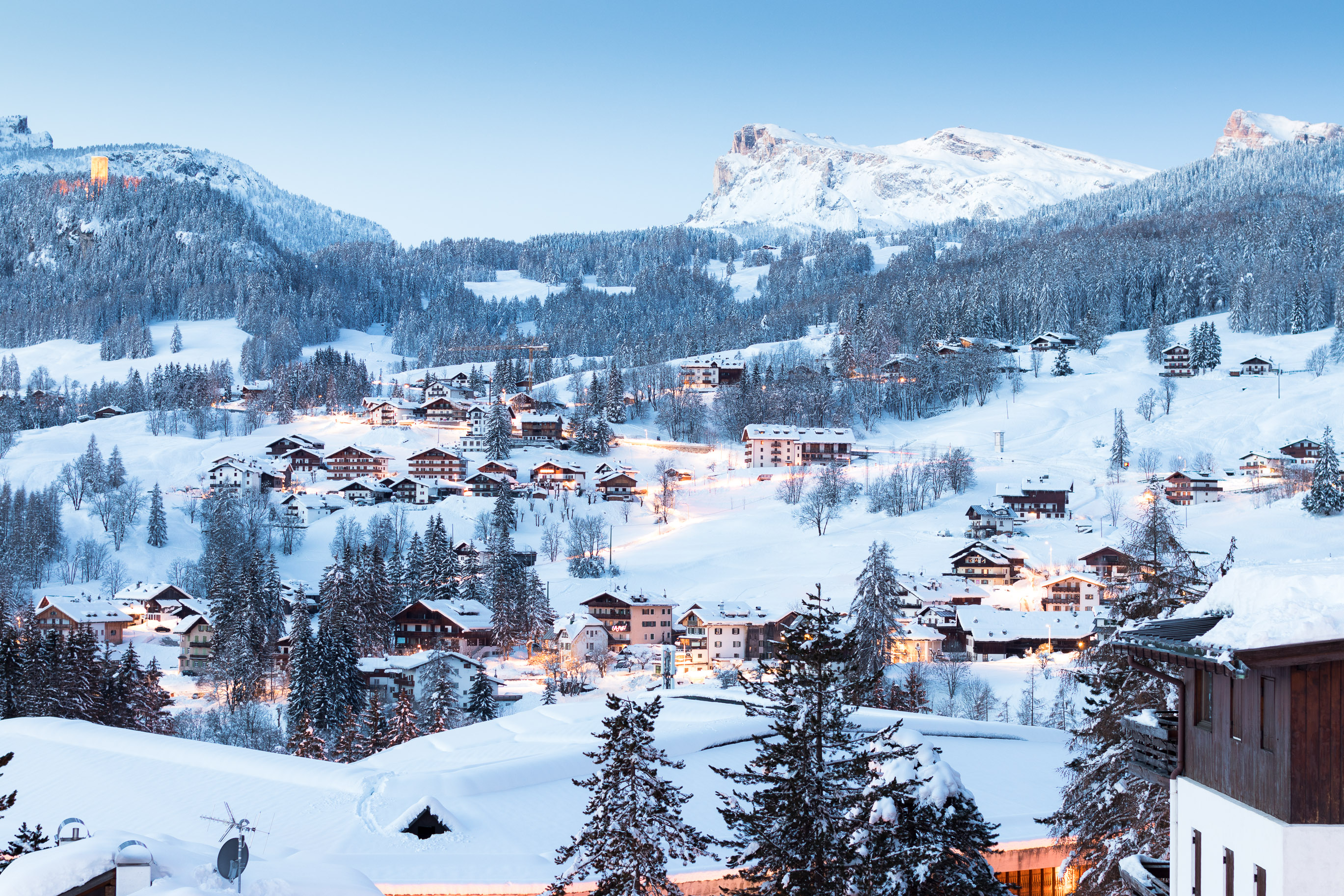
The mountain town was also a base for Olympic events during the 1926 Games.
.jpg)
Known in Italian as Sacrario Militare di Pocol, this cemetery and memorial in the town of Pocol, just outside Cortina, honors the thousands of Italian and Austrian soldiers who died in battles in the Dolomites during WWI.
The Dolomite mountains made for one of the most brutal and unforgiving battlefields of WWI (1914-1918), and the soldiers who fought here were tougher and more resilient than most. The Italian, Austro-Hungarian and German soldiers who fought in the Dolomites waged different versions of mountain warfare, but both were subject to the harsh conditions of the peaks.
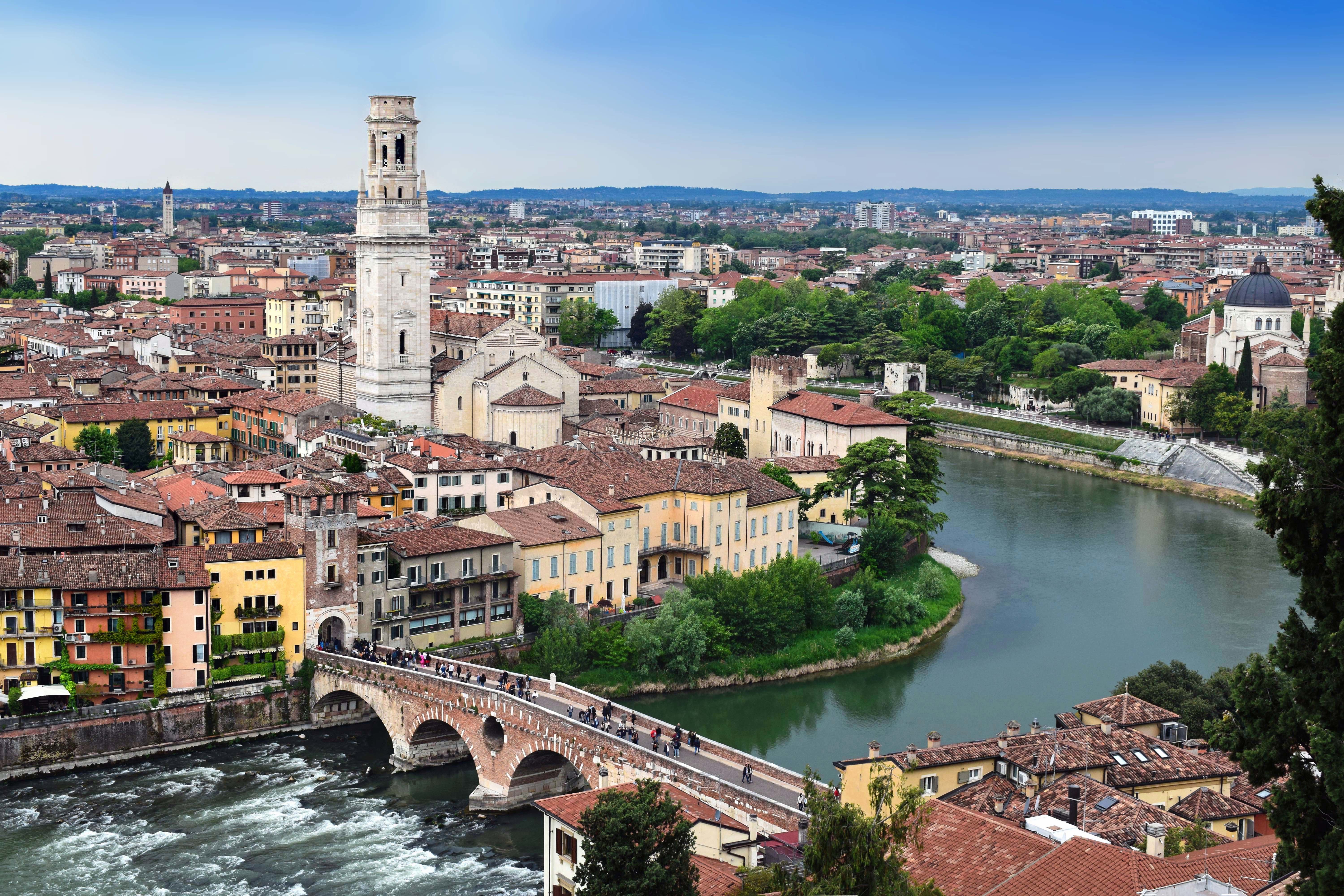
The northern Italian city is famous for its Roman architecture and the two star-crossed lovers of Shakespeare's Romeo and Juliet.
An excellent introduction to the history and distinctive features of this 1st century Roman amphitheatre, the city's most famous living monument.
Locations around the incredible Dolomites region will host several events.
The Anterselva (or Antholz) region:
The biathlon
Predazzo and Tesero, in the Valle de Fiemme:
Ski jumping, the nordic combined event and cross-country skiing.
Paralympic biathlon and cross-country skiing will also be in Tesero.
Livigno:
The freestyle aerials, mogul events and all things snowboarding
Bormio and the classic Stelvio piste:
Alpine skiing
Ski mountaineering, a combination of mountain climbing and alpine skiing, will make its Olympic debut here as well.
This "Pasta Granny" lives in Italy's Fiemme Valley (near Bolzano), where menudoli is a local specialty. Made with local Puzzone di Moena cheese, which is know for its strong, salty flavor, this is regional cooking at its best.
In this beautifully shot documentary, wine critic and journalist James Suckling profiles the passionate and persistent wine producers of Alto Adige, one of the most challenging places to grow grapes in the world. He unveils the stories behind the wines at Alto Adige, from the ardent winemakers working on the steepest slopes to the unique characteristics that this extreme terroir has to offer.
Ready to plan your Olympic journey?