Memories from Portugal
From secluded beaches to vibrant, historic cities, this is the Portugal you've been dreaming of.

We've crafted this content experience to boost your marketing and drive conversion. It's easy to get started—simply enter your email!
By entering your email address, you agree to the terms of service and privacy policy
The Europe of times gone by lives on...
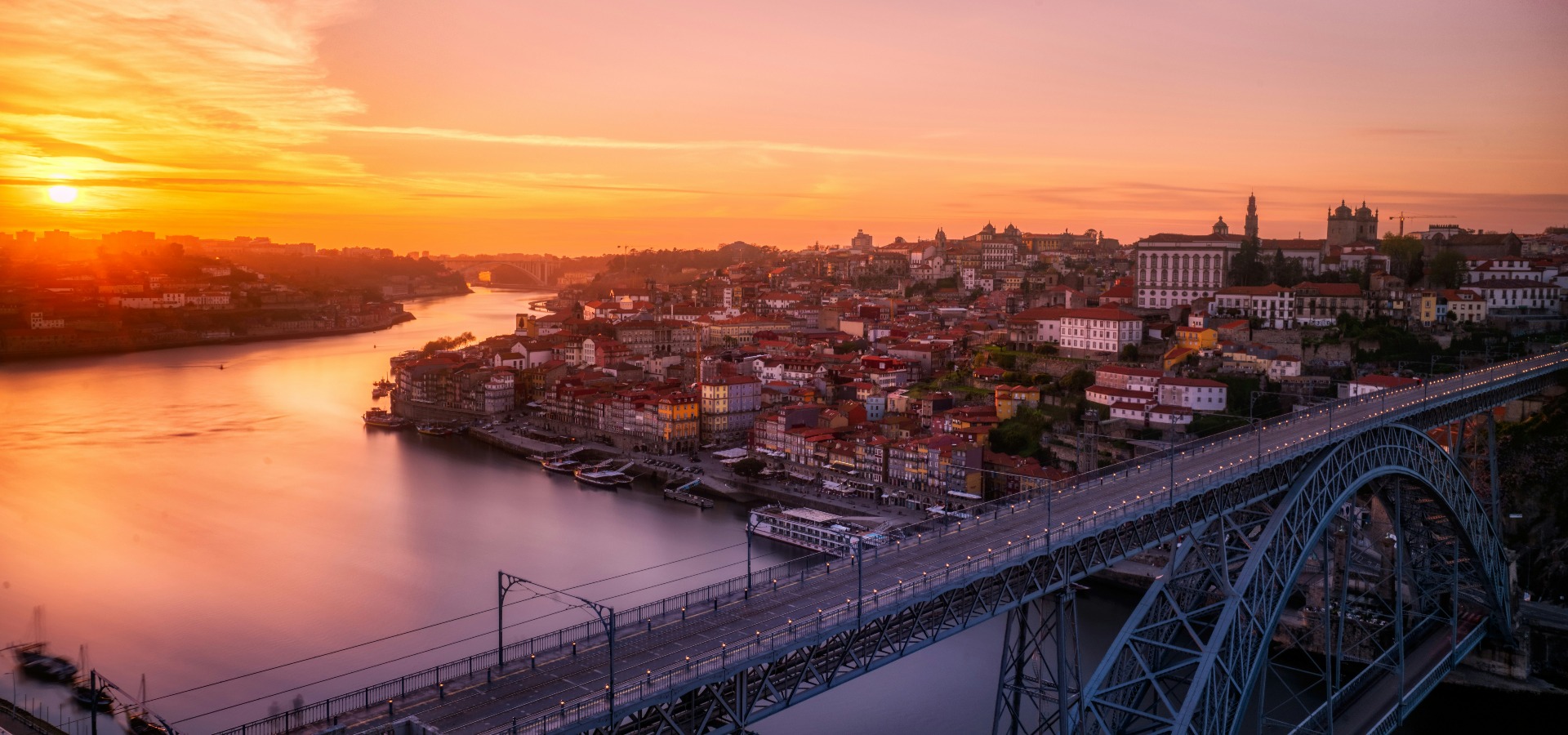
The Europe of times gone by lives on...

Portugal offers travelers an Old-World European experience found in few other places. It's a place where history is palpable, ancient craft traditions survive, family-style cuisine is revered (and reaches supreme expression) and music is heard everywhere.
Here's a little of what it makes it so special. Enjoy!
From secluded beaches to vibrant, historic cities, this is the Portugal you've been dreaming of.
Explore the city’s history and architecture in this clip from Rick Steves’ Europe.
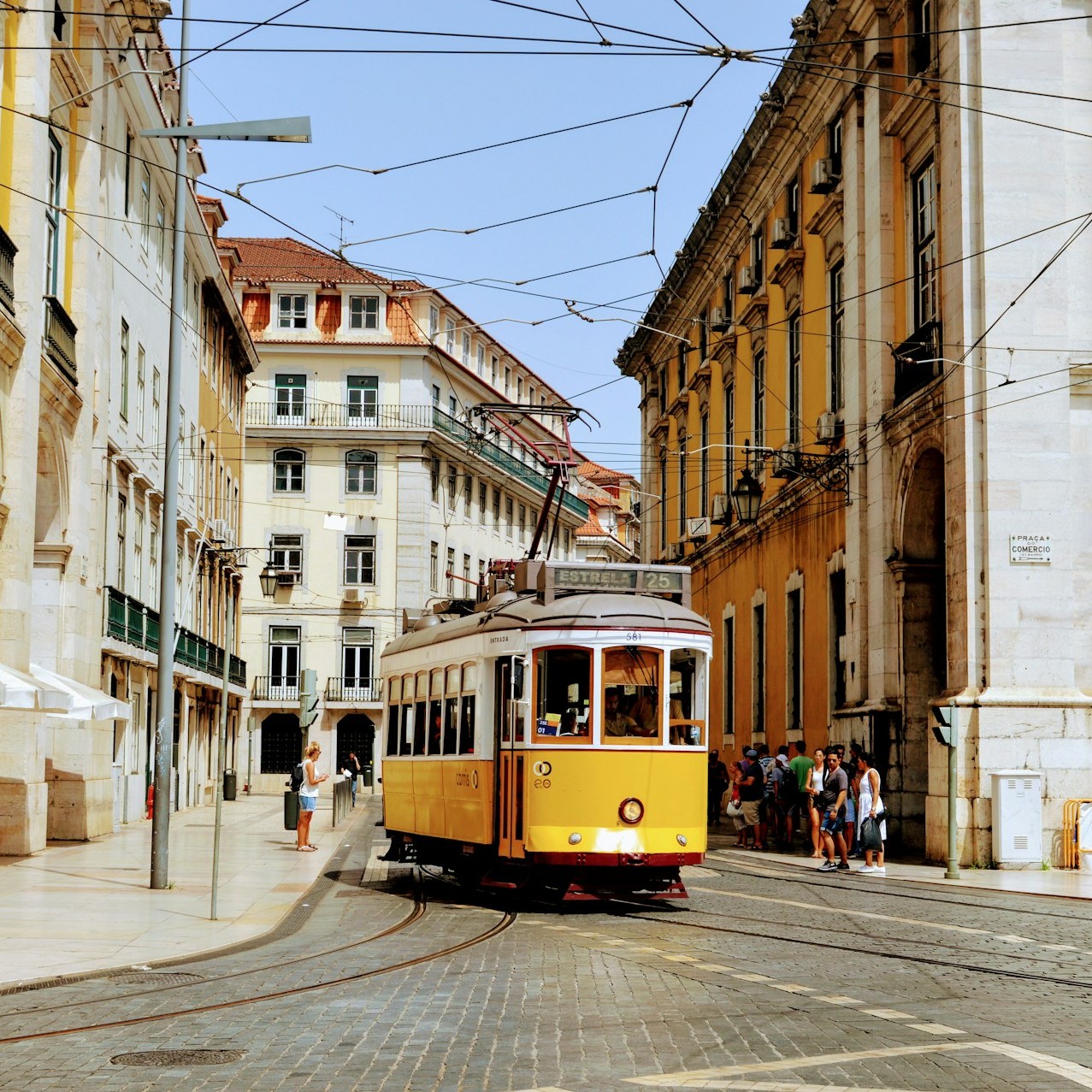
Lisbon’s famous 28E tram braves some of the world’s steepest inclines in style as it trundles between the old town and the downtown. It's one of Lisbon’s oldest tram lines, still rumbling past landmarks even older than the line itself.
Foot treading, stomping grapes by foot to extract the juice, is at the heart of the making of authentic port wine. At Quinta de Vargellas, a wine estate in Portugal’s Duoro Valley, this traditional and labor-intensive method is still in use to create some of the finest ports in the world.
Half of the world's cork wine stoppers come from cork oak trees in Portugal’s Alentejo region. Learn how the cork is carefully harvested to protect the trees and how the harvest is expanding beyond wine stoppers.
If it wasn’t for the enterprising Pastéis de Belém, a bakery situated in the Belém neighborhood of Lisbon, we might not have the pastel de nata (often called a Portuguese custard tart). The café was the first business to begin selling the delicious egg tarts commercially, and they have gone on to become one of Portugal’s most famous dishes. Pay a visit to see what makes them so special.
The not-for-the-faint-of-heart Francesinha was invented in the 1950s in the city of Porto. Today, there are many variations, but they all feature ham, steak, sausage and cheese, covered in a tangy tomato sauce.
Anyone who has ever been to Portugal will probably know them: the small, mostly blue square ceramic tiles known as azulejos. The hand-made tiles reach highest expression in the capital of Lisbon, where they gained new importance in the wake of the destructive earthquake of 1755.
Great fado singers sound as if they carry the weight of the world's sadness. They don't just wear their hearts on their sleeves—they bare their souls. And Camané, with his silky baritone, can emote with the best of them. Fado, which means "fate" in Portuguese, emerged from the gritty barrios and docks of Lisbon in the early 19th century and has evolved in fascinating ways. Think of it as the Portuguese blues.
Ready for your own Portuguese journey?